PRESS - PEER Research on EcoSystem Services
Overview
The UN 2004 Millennium Ecosystem Assessment defined Ecosystem Services as “the benefits people derive from Ecosystems”.
The assessment grouped ecosystem services into four broad categories:
- provisioning, such as the production of food and water;
- regulating, such as the control of climate and disease;
- supporting, such as nutrient cycles and crop pollination; and
- cultural, such as spiritual and recreational benefits.

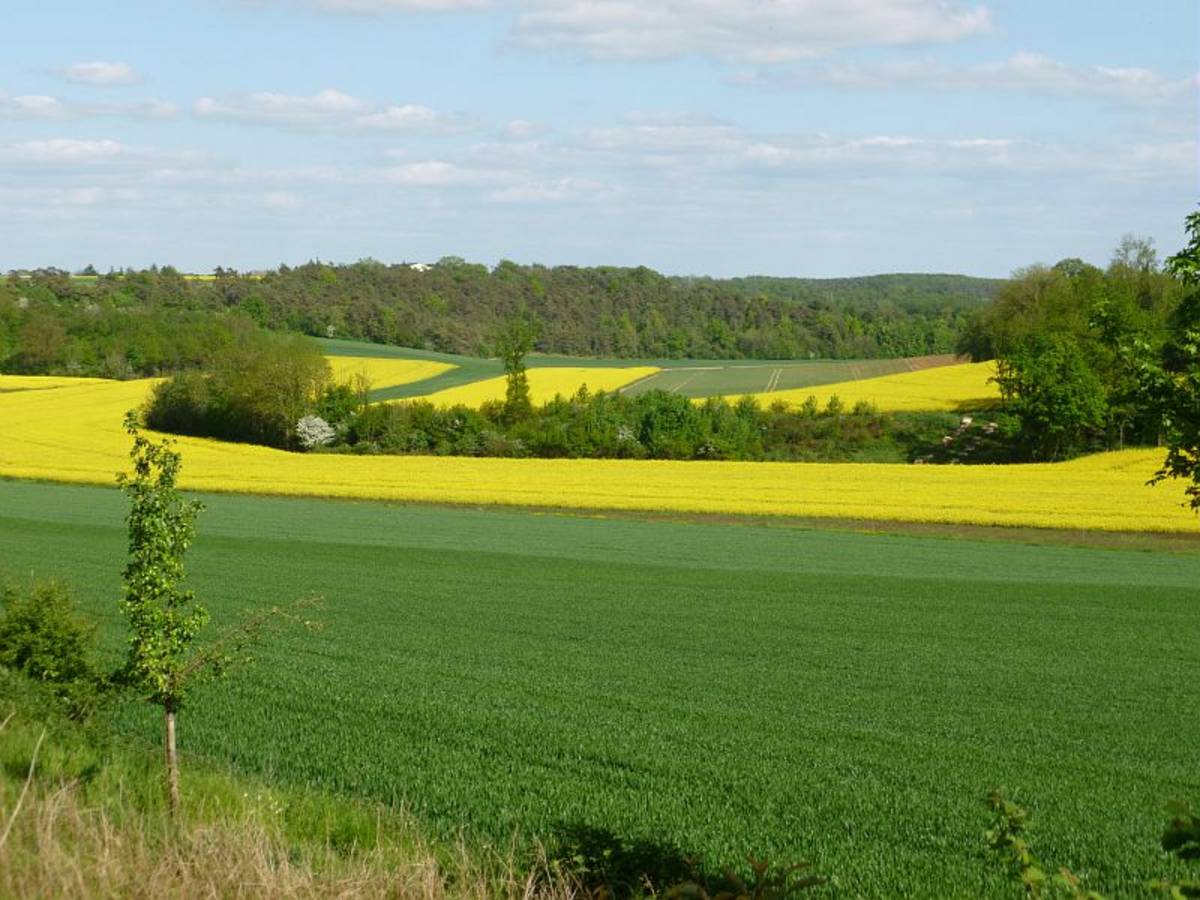
Ecosystem services constitute the physical link between ecological systems and human economies. Photo: Markku Siitonen.
Ecosystem services constitute the physical link between ecological systems and human economies. With the conversion of natural ecosystems to other forms of land use, the total flow of services in a region is, sometimes irrevocably, altered.
Spatially explicit information about ecosystem service is generally derived from classical land-use maps, where the dominant ecosystem service (e.g. crops, timber, recreational natural system) is shown, but the many ecosystem services simultaneously delivered at the same site are ignored.
There is therefore an urgent need to upgrade the knowledge basis of land-use information and mapping to reflect the existing knowledge about ecosystem services and their social and economic values to better inform policy design and decision making processes. In addition, the increased availability of other spatial datasets allows a more direct quantification of some ecosystem services.
Demand for spatially explicit quantitative information about ecosystem services and their management is rapidly increasing at European and Member State level government dealing with the implementation of biodiversity action plans, Natura2000 and the related agricultural, forestry and economic development policies. The European Commission has recently made this demand quite explicit in the Communication(2010) 4 Final, January 19th, 2010, and the European Council has committed (26/03/2010) to the post-2010 target of halting the loss of biodiversity and the degradation of ecosystem services in the EU by 2020, and restoring them in so far as feasible, while stepping up the EU contribution to averting global biodiversity loss.
Target/objective
The PRESS project is designed to deliver innovative scientific research products with immediate policy relevance. It is also meant to facilitate interaction with national and European stakeholders from all relevant policy domains, by delivering the products in time and connected to the agenda of the policy process.
Project status
The project began in March 2010, with a formation of a project group consisting of experts of all PEER member institutes. A workshop for Work Package Policy Analysis is planned in May-June 2010. The first results will be shared with EU DG Environment around September, as input for its process of Post 2010 Biodiversity & Ecosystem Services Target setting. The first year is concluded with a synthesis workshop, presenting results to PEER partners, other network partners and stakeholders across Europe.
Approach
In Year 1, the study follows three parallel and interacting tracks,
- Track 1 focuses on methodology development, summarising and testing existing mapping, modeling and information management techniques, with associated statistical and technological aspects. The testing will be based on three case studies which together form
- Track 2, the Showcase, where an example ecosystem service from three groups (provisioning, regulating and cultural) is developed, based on existing material, but identifying, trying and testing new methods of up- and downscaling, transforming data and indicator quantification.
- Track 3 is focused on the policies affecting the current and future management of ecosystem services, including policies in the environmental, agricultural, fisheries, transportation, regional development and other domains.
Results
PRESS is designed to strengthen the scientific understanding of links between biodiversity and ecosystem services, improve impact assessment tools to link mapping exercises and policy evaluation approaches and illustrative case-studies. It will deliver tests of models, evaluation of associated uncertainties and a guideline for mapping of ecosystem services.
If the project secures financing for years two and three, the products of the project will include a European digital atlas or information system of ecosystem services and the assessment of trade-offs and synergies to fully assist the agenda of the policy process.
Follow up
Research input from PEER will support the preparation of the post-2010 Biodiversity Action Plan and the policy process during the first year of its implementation by interfacing national and EU levels. It will support the EU position in the Convention on Biological Diversity (CBD).